
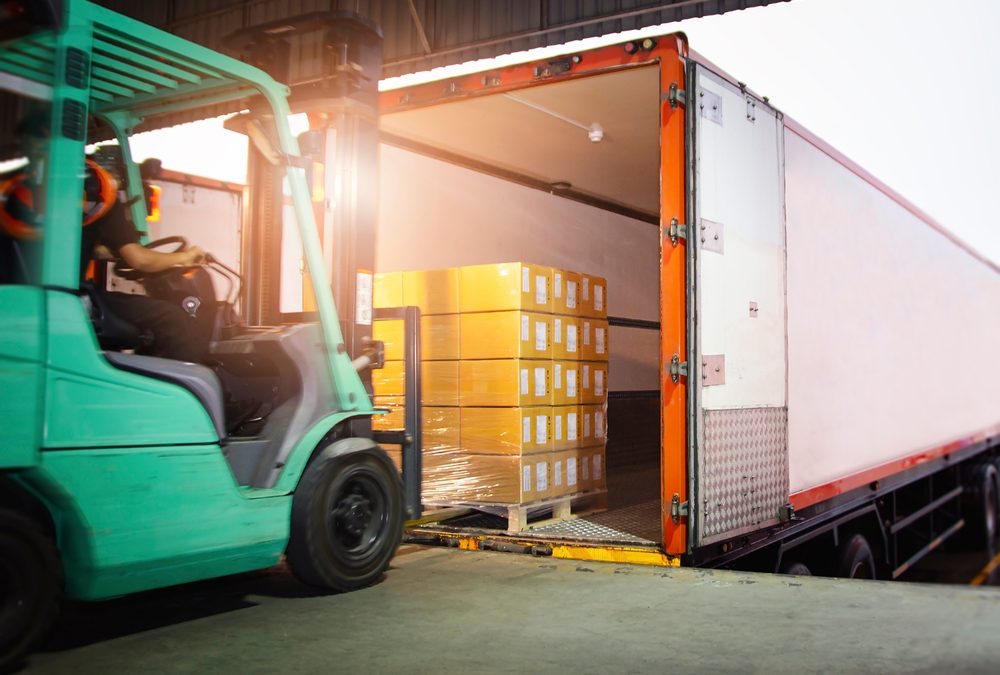
Freight damage is the most common yet expensive problem associated with freight shipping and receiving. Bad handling, poor packaging, and incorrect techniques of loading are some of the major causes of goods damage. To save the most time and ensure efficacy within the supply chain it’s essential to garner new strategies and techniques. IN this article, we’ll discuss the best ideas to implement to lower your overall likelihood of damaging goods during shipping
Utilize Proper Packaging and Palletizing
The first line of defense against freight damage is proper packaging. Goods properly packed and palletized have reduced the risk of shifting, impact, and crushing during transport. Always investing in quality packaging materials like sturdy boxes, bubble wrap, foam inserts, or air cushions, can go a long way in the future. You should even make sure to evenly distribute weight on a pallet. When you stack the pallets tends to make items unstable and causes them to tip over.
Properly Label Freight for Safe Handling
Correct labeling has a lot to do with how freight is handled. Improper or missing labels might give wrong instructions for handling, and items can get damaged that needn’t be. Mark shipments with instructions such as “Fragile,” “This Side Up,” or “Do Not Stack.” Properly labeling items allows handlers to use the correct equipment and stacking methods.
Train Staff on Best Handling Practices
Human error continues to be one of the leading causes of freight damage. Investing in proper training can help ensure that warehouse workers, forklift operators, and freight handlers understand the best practices that reduce risk. Workers should learn how to lift, carry, and lay down freight without causing injury to themselves or others. Workers should also be trained to distribute the weight properly and not stack fragile items under heavy freight.
Improve Freight Loading and Unloading Processes
But mostly, the loading of freight into a truck, container, or warehouse will be critical for preventing damage. Stability during shipment hugely reduces risks. Lighter and fragile goods should be tied down on top, while heavier items should be weighted at the bottom. Securing shipments with load bars, airbags, or padding in between will avoid shifting during shipment. Ensure the trailers are clean, dry, and free from damage that could compromise shipments. Having a strict loading and unloading process can help to drastically reduce damage and future injury.
Choose Reliable Carriers and Shipping Partners
Not all carriers handle freight with the same care. Smarter choices for providers can really make a difference in taking down damage occurrences. Valuing carrier handling practices that ensure loading, securing, and unloading of freight for safety are exactly what you’ll be looking for. Damaged reports and claim rates will show which carriers give the best service.
Even with best practices in place always remember that accidents can still happen occasionally either from your end or a partner’s.
Utilize FreightCheckers
Knowing who to trust in the Freight industry has never been easier now that FreightCheckers is here to help. By signing up to FreightCheckers you’ll gain incredible insight on which shippers and receivers are trustworthy with your business, sign up today!
Recent Comments