
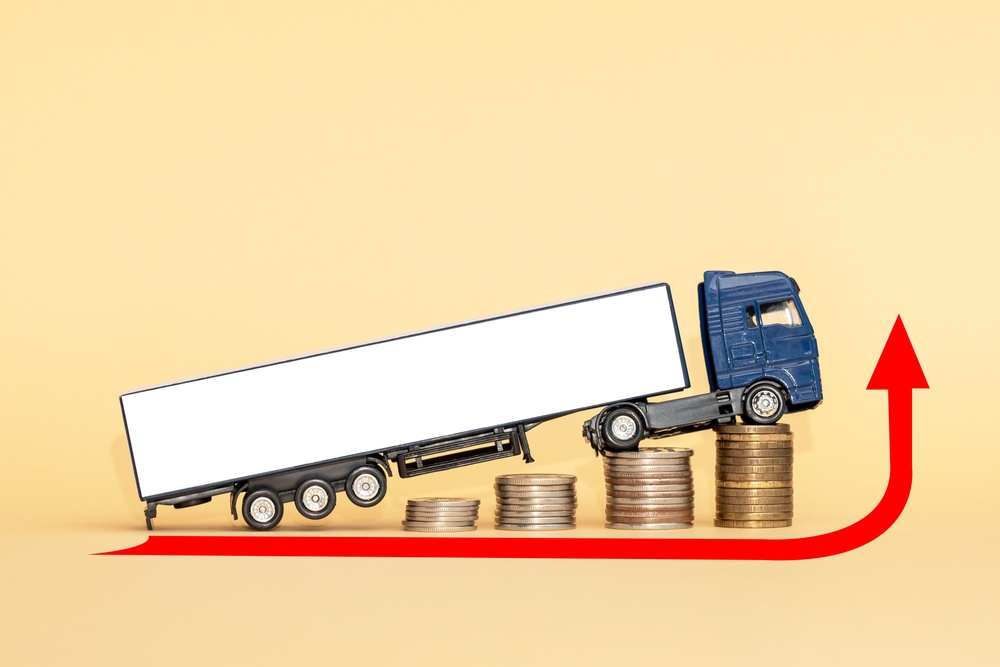
If you’re shipping goods state to state or even globally, you’ve probably asked yourself: How are freight rates set? Freight rates are not standardized. They depend on a variety of factors that can fluctuate based on time, location, and mode.
Understanding how freight rates are calculated allows businesses to make more informed shipping decisions and control logistics costs. Therefore, the following reasons are some of the most common for getting an accurate freight rate.
Transportation
The first factor of freight rate calculation is the way freight is carried. Common shipping practices are:
- Less-than-Truckload (LTL)
- Truckload (TL)
- Rail
- Air
- Ocean
Each of these different forms of transportation has a unique cost. Air freight, for example, is faster but pricier, while ocean freight is cheap for large international shipments but very slow speed-wise.
Distance and Shipping Lane
How much distance your cargo travels directly impacts the price. The longer the distance, the higher the rate, especially if fuel and driver wages are factored in. In addition, the shipping lane or route is also a factor. Busy or heavily trafficked lanes will be more expensive, while established routes with high traffic can provide lower prices.
Weight and Dimensions
Freight carriers charge by a calculation referred to as dimensional weight for freight, especially for LTL and air freight. It considers the weight and size of your load. Large, light loads have the potential to cost you more than you expect due to the space occupied.
Type of Goods Carried
Certain goods require special handling, such as perishables, hazardous materials, valuable cargo, or temperature-sensitive cargo. These types of freight may incur extra charges due to insurance needs, equipment, or regulations.
Fuel Surcharges and Accessorial Charges
The majority of carriers charge fuel surcharges to absorb volatile diesel prices. In addition, add accessorial charges for the following services:
- Liftgate delivery
- Inside delivery
- Residential pickup/drop-off
- Detention or wait time
- Constricted access points
These charges can have a large impact on freight costs, especially for LTL-type shipments.
Market Conditions
Freight rates also vary on the basis of market demand. With peak shipping seasons, holidays, or harvest seasons, rates will be higher due to limited capacity. Weather conditions and supply chain disruptions may also influence pricing.
Freight Data Insights
To gain more insight into freight rates and freight data, sign up for Freight Checkers today! We have all sorts of information regarding freight carriers and receivers. Joining our community helps you and your business stay up to date with vital information.
Recent Comments